The Better Brain Blueprint
The Better Brain Blueprint is an NP-led clinical assessment for women concerned about memory or cognitive changes - or those with a family history of dementia who want to be proactive about their own brain health.
Inside the Blueprint, we focus on four things:
A comprehensive clinical assessment: We start with a 60-minute visit to review your cognitive concerns, health history and timeline, family history, medications, sleep, metabolic and vascular health, hormones, lifestyle, and other factors that may be relevant to how your brain is functioning.
Dedicated cognitive assessment + screening: Your Blueprint includes a focused cognitive assessment and standardized virtual cognitive screening to evaluate areas such as memory, attention, language, visuospatial skills, and executive function.
Cognitive screening does not diagnose or rule out dementia or mild cognitive impairment. Results are interpreted alongside your history, symptoms, and other clinical findings and may help determine whether further evaluation is appropriate.
A comprehensive blood panel + functional interpretation: I order a comprehensive, individualized blood panel through Quest to evaluate metabolic, vascular, thyroid, nutrient, inflammatory, and other clinical factors that may be relevant to cognitive health. Results are interpreted alongside your symptoms, history, and cognitive assessment—not as isolated numbers.
Clinical findings + prioritized recommendations: We bring your history, cognitive assessment, screening results, and laboratory findings together to determine what deserves attention now. You’ll receive individualized clinical recommendations, including treatment priorities, appropriate follow-up testing, and referral for additional medical or neurological evaluation when indicated.
Your Blueprint also includes a private health-coaching visit with Lyndsay to help translate your recommendations into realistic next steps.
The Better Brain Blueprint is designed to stand on its own. By the end, you’ll know what I believe deserves attention, what we can address, what may need monitoring, and whether additional medical evaluation or ongoing support is appropriate.
Investment: $1197
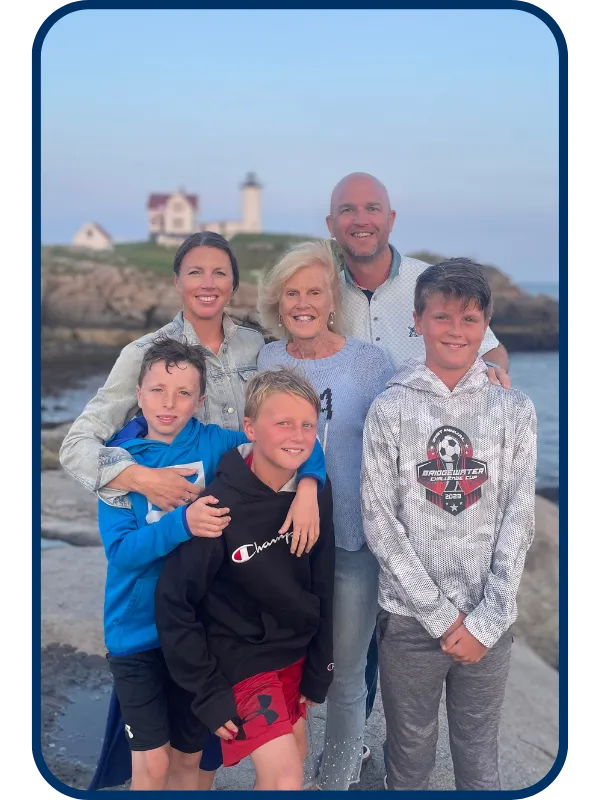
Why I Built This Work...
I’ve spent nearly two decades caring for older adults, including thousands of patients living with cognitive decline and dementia. For years, I worked at the later end of the health timeline, when chronic disease, cognitive changes, and loss of independence were already part of the conversation.
Over time, I found myself asking a different question: What was happening 10, 20, or even 30 years earlier—and where might there have been opportunities to influence the trajectory?
This work is personal, too. My mother lives with dementia. No amount of clinical experience completely prepares you to sit on the family side of that diagnosis.
Today, I work earlier in the timeline. The Better Brain Blueprint gives women in midlife a clinical place to evaluate cognitive changes, understand their individual risk factors, and identify what may be modifiable, without pretending we can predict or control everything about how the brain ages.
Common reasons women come to me for the
Better Brain Blueprint:
brain fog that doesn’t feel like “just stress”
forgetfulness or word-finding issues that are starting to concern you
difficulty focusing, processing, or feeling mentally sharp
a parent or close relative with dementia that has you thinking differently about your own future brain health
a sense that your brain doesn’t feel like it used to — and you want a more thoughtful answer than “just monitor it”
You don’t need to have significant cognitive symptoms to start asking better questions about your brain health.
Is the Better Brain Blueprint Right for You?
This is likely a good fit if:
You’re noticing changes in memory, focus, word-finding, processing, or mental clarity and want them clinically evaluated.
You have a parent or close relative with dementia and want to understand the modifiable factors that may influence your own brain health.
You want an NP-led assessment that includes cognitive evaluation, individualized blood testing, and clinical recommendations—not another generic list of brain-health tips.
You live in Massachusetts or New Hampshire and can receive care through telehealth.
You understand that the Better Brain Blueprint is a cash-pay clinical service and does not replace your primary care provider or neurologist.
It may not be the right fit if:
You’re experiencing sudden, severe, or rapidly worsening cognitive or neurological symptoms. These require prompt medical evaluation rather than a Better Brain Blueprint.
You're looking for a quick fix rather than an in-depth process
You are > 65 and/or a Medicare beneficiary. New England Functional Wellness cannot provide this service to Medicare beneficiaries.
Ready to get started? If the Better Brain Blueprint sounds like the clinical starting point you've been looking for, you can book directly.
Meet The Team
The Better Brain Blueprint combines clinical assessment with practical implementation support.
Katie leads your clinical care, including your health history and cognitive assessment, laboratory ordering and interpretation, clinical recommendations, and decisions about further testing or referral.
Lyndsay provides your private health-coaching visit, helping you translate those recommendations into realistic changes around nutrition, sleep, movement, stress, routines, and daily life.
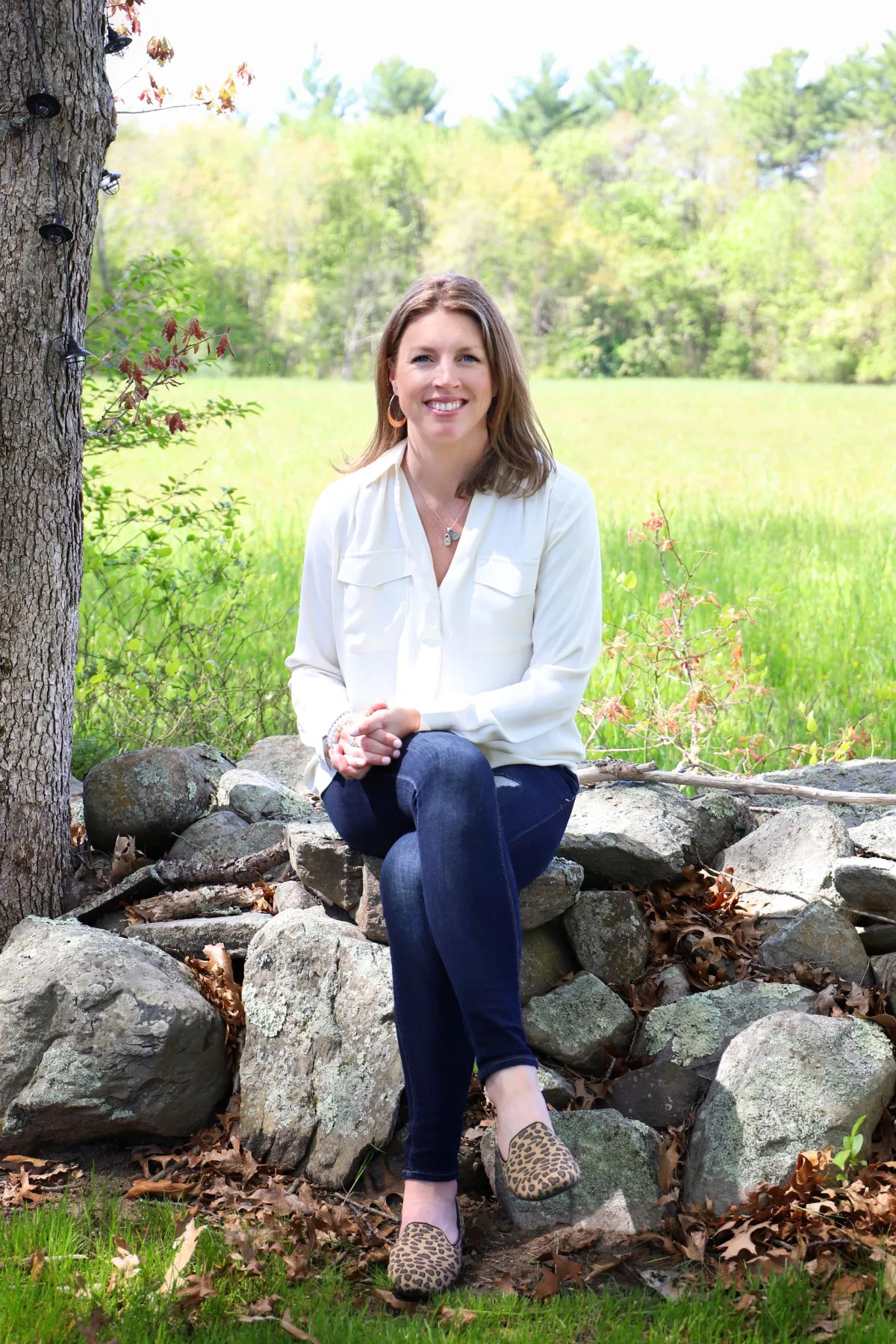
Katie Creedon, MSN, APRN, NP-C, FMACP
I’m a board-certified nurse practitioner who has spent nearly two decades caring for older adults, including thousands of patients living with cognitive decline and dementia. My advanced training in functional medicine informs the work I now do earlier in the timeline with women in midlife.
I’m licensed as a nurse practitioner in Massachusetts and New Hampshire and provide care virtually in both states.

Lyndsay Hiller, FMCHC, Pn2
Lyndsay is a certified functional medicine health coach with additional training in functional nutrition. Her role is to help translate your clinical recommendations into changes that are realistic for your life.
Within the Better Brain Blueprint, Lyndsay works with you around areas such as nutrition, movement, sleep, stress, routines, and behavior change, helping you identify barriers, build on what is already working, and begin implementing your plan in a practical, sustainable way.
STILL NOT SURE?
Frequently Asked Questions
Will you do any cognitive testing as part of the Better Brain Blueprint?
Yes. As part of the Better Brain Blueprint, I include a virtual MoCA (Montreal Cognitive Assessment), which is a brief screening tool used to look at areas like memory, attention, language, and executive function.
The MoCA is not a standalone diagnostic test for dementia or mild cognitive impairment, and it doesn’t replace a full neurological or neuropsychological evaluation. But it can be a very helpful screening tool that gives us more information about what may deserve closer attention and helps guide next steps.
Does the MoCA diagnose dementia or mild cognitive impairment?
No. The MoCA is a screening tool, not a diagnosis. It can help identify patterns or areas of concern, but it must be interpreted in context alongside your symptoms, health history, lab work, and—when appropriate—further medical evaluation such as a neurological exam, imaging, sleep evaluation, or formal neuropsychological testing.
Do you diagnose dementia?
No — the Better Brain Blueprint is not a formal dementia diagnostic service. It’s a comprehensive evaluation designed to help identify possible contributors to cognitive symptoms and determine what next steps make sense, including when a neurologic workup or formal testing may be appropriate.
Will I need advanced testing?
Not necessarily. We start with your history, symptoms, cognitive screening, and foundational lab work. If I think deeper testing would be useful, I’ll explain why and we’ll talk through options before you decide on anything.
Do you take insurance?
I do not bill insurance for the Better Brain Blueprint. Some lab work may be run through Quest and may be covered depending on your insurance plan, but the Blueprint itself is a private-pay service.
Do you work with people outside Massachusetts and New Hampshire?
At this time, I work virtually with patients located in Massachusetts and New Hampshire.
What if I already saw my PCP or a neurologist?
That’s completely fine. The Better Brain Blueprint can still be helpful if you want a broader, more root-cause-informed look at what may be contributing to your symptoms and what you can do to support your brain health moving forward.
What happens after the Better Brain Blueprint?
The Better Brain Blueprint is designed to stand on its own. After we’ve reviewed your history, cognitive assessment and screening, and laboratory findings, I’ll give you prioritized clinical recommendations and discuss what I believe makes sense next.
For some women, the Blueprint provides what they need to move forward independently. Others may benefit from additional medical evaluation, follow-up testing, or more intensive implementation and clinical support through Better With Age Signature Care, which is available to established NEFW patients when appropriate. There is no requirement to continue into additional care.
Do I need to have memory problems to do the Better Brain Blueprint?
No. Some women come to me because they've noticed changes in memory, focus, word-finding, or mental clarity. Others feel cognitively well but have a parent or close relative with dementia and want to better understand their own brain health and modifiable risk factors. The Better Brain Blueprint is designed for both situations.
Ready for a Clinical Look at Your Brain Health?
The Better Brain Blueprint is an NP-led assessment for women in Massachusetts and New Hampshire concerned about cognitive changes or family dementia risk. It includes dedicated cognitive assessment and screening, a comprehensive Quest blood panel with functional interpretation, prioritized clinical recommendations, and private health coaching.
Investment: $1,197

Still not sure? Book a complimentary 20-minute Clarity Call.

FOR SUPPORT ISSUES OR QUESTIONS, PLEASE EMAIL US AT [email protected]
Copyright © • Katie Creedon, PLLC • All Rights Reserved • Privacy Policy • Terms + Conditions